DJ Niyi Talks About Making It & Giving It Up
LSA catches up with Adeniyi Adeyemi Adelakun, better known as Niyi, DJ, singer, rapper, MC, writer, and philosopher. We ask him to share his experinces working in the music industry with a focus on his DJ career.
Success Stories
July 17, 2018
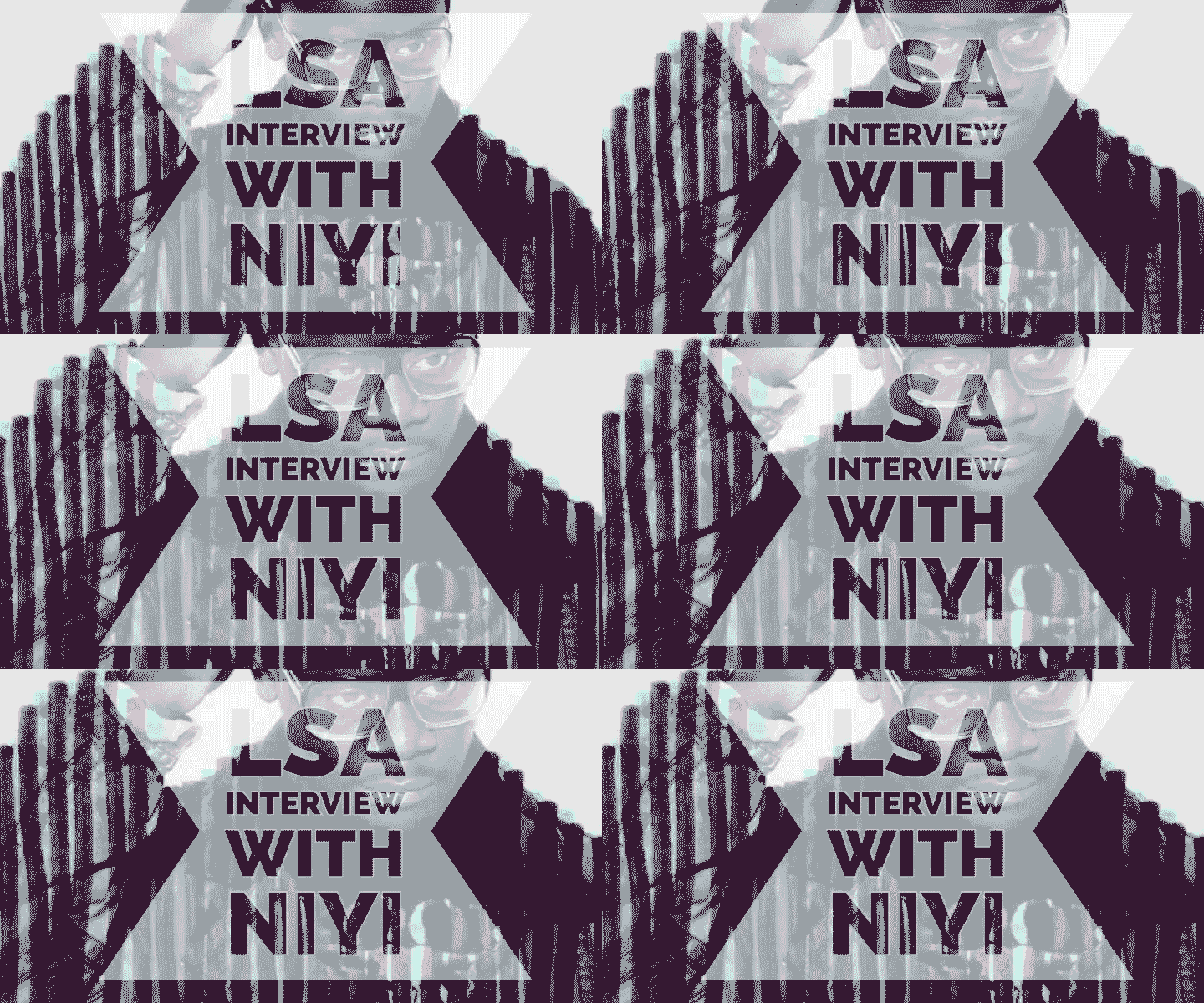
If you are indesperate need of an inspirational story to pull yourself out of creative slumpor to stop you from giving up at the first hurdle, then you may want to take amoment to read this interview with my friend Niyi. His story has all theelements needed for a really good coming of age story.
How I Met Niyi
I first metNiyi back in early 2000 before the demise of London's after hours club scene,when the average night involved crashing a private event in Soho for the freebooze. Then central-lining it east on the underground for a warehouse rave, followed by a mates clubnight in a disused toilet and ending it all at my place for a after party. Back then Niyi wasa DJ, club promoter and rapper on the London scene. I was working in media during the day and at night I was one of theregular faces in the alternative club scene. Niyi didn’t always make it to theafter party but when he did we would often spend the morning drinking cheapvodka and satirising art, culture, race, religion and putting the worldto rights with a witty analogy.
Fast-forward12 years, my clubbing days are just a collection of fractured memories and all thoselarger than life characters I use to spend all my free time with are now living verydifferent lives, which are only known to me due to the occasional mention in my Facebook feed. My London life is almost a whole year behind me and country living issurprisingly not as boring as I thought it would be.
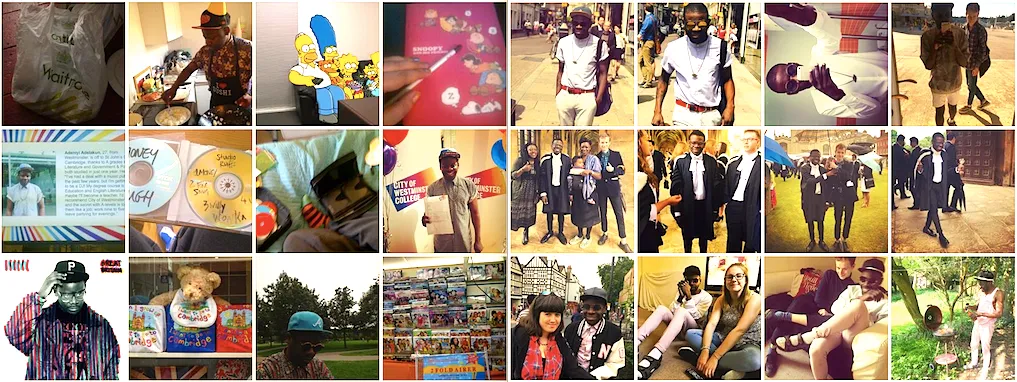
The other evening I was enjoying a collection of TED talks videos and who should pop up to do a short talk, but Niyi. I get a real buzz of excitement as I hastily adjust the screen and volume on my laptop. The last I had heard of Niyi he was enjoying a rather successful career in music, playing gigs at festivals, being responsible for Lady Gaga's first UK show, and playing on stage with Will.i.am. So imagine my surprise as I discover that he had given up a music career that would be the envy of most musicians, to be the first professional rapper ever to attend Cambridge University.
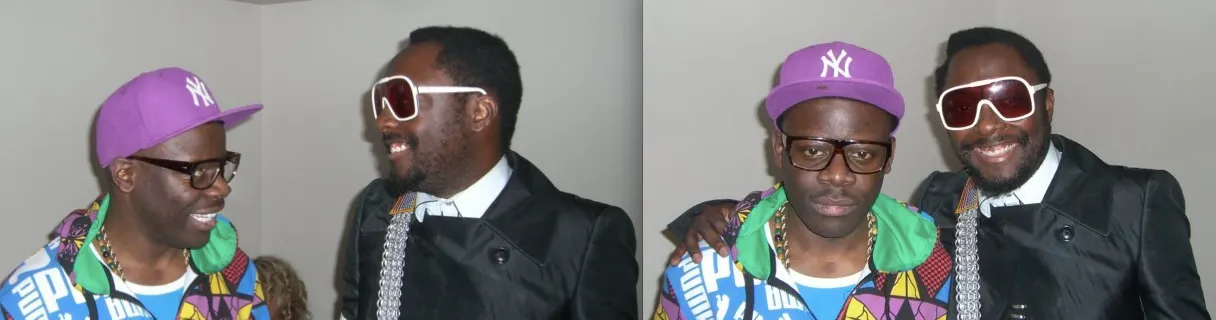
From aLondon-based rapper, musician, producer, and DJ to a Cambridge-based academic, educator studying for his MPhil in Education and soon to start a PhD. It felt really good to see him up on that TED talks stage, sharinghis story with the audience and with the world. His TED Talks video was genuine, I felt an overwhelming urge tocontact him and congratulate him on his recent achievements but felt a littleapprehensive seeing as we hadn’t spoken for over twelve years. I wanted to inspireLSA readers by sharing Niyi's story in a blog, but wasn’t sure if he would be okaywith me making such a request after all this time that had past between us. Ineedn;t worried though, to my relief Niyi was as happy to make a connection again and become the subject of mymy next LSA blog post. These questions have been carefully selected for Niyi so he may share the very best of his experience and knowledge about making it as a DJ or musician and how you can make informed choices about your own education and career. We hope you find it useful!
Niyi Interview at LSA
Q: What was the catalyst behind yourtransformation from successful music career to Cambridge academic educator?
‘When I arrived, I felt as if I was in a period drama. Despite having a successful music career, recording my album with Tummy Touch Records — I found myself becoming increasinglydisillusioned with the music industry. It had reached the point where I wasperforming or partying every night — the nights and days were all melting intoone.’The idea of switching career for academia came about gradually, after a series of conversations with young fansat gigs. Youngpeople seemed to lack the aspiration needed to achieve their hopes and goals and I thought that, perhaps, if I were in theeducation system, I could work to change that. I hope the combination of my music industryexperience and my Cambridge degree will prove a winning formula for mystudents.'
Q: How doyou describe your DJ style? Do you have a sub-genre or scene that perfectlydescribes you?
'I'vebeen really lucky (I believe) because I have never actually stuck to one genre;in fact, I have actively tried to switch from genre to genre as much as I can.I try to keep people on their toes but I also make sure they find it verydifficult to leave the dance floor.'
Q: Youexperienced your first success fairly early on when you were signed at just 19years old. What advice would you give to your past self in those early days ofyour DJ career?
'Iwould tell myself to make a plan, believe in it and stick to it! It might takea little longer than expected. It won't matter, but everyone will catch up withyou eventually. People need to be lead from the front sometimes (laughs).'
Q: Whichmoments in your DJ career do you consider to be the most significant andtransformation? (When, where, who was there, what changed, could it have turnedout differently if…?
'WhenI was starting off I played Glastonbury, quite early in my career, I think itwas 2008. It was the VIP tent — quite a cavernous space — and no one had comein yet really because it clashed with KT Tunstall or something. So I just puton a track that I didn’t particularly like, just so I could change mywellington boots. At that moment the BBC started filming and Zane Lowe was like“cool track bro” and I was just so embarrassed. It was the ultimate baptism offire and I learnt such an important lesson: this is my art and every secondcounts, crowd or no crowd.'
Q: Describethe feelings you want to evoke in your audience when you DJ? When was the lasttime you experienced that magic moment where you felt a euphoric connectionbetween you and your audience?
'Iwant to give people a spiritual experience and help them connect with the lifeforce which like kinda runs through the universe. No I can explain this!(Laugh) I know this sounds lofty, but I reckon we all have moments when weexperience this connection. Whether it's when we are in love, when we were drunkwith our best friend, our first kiss, etc., and I think it is entirely possibleto happen on the dance floor with complete strangers. It won't be from the DJalone, but he or she can help facilitate this connection.'
Q: What isone mistake you see a lot of up and coming DJs making? What advice would yougive to an aspiring DJ in order to avoid it?
'Trying to copy someone else. Most (good) DJs cut their teeth as it were,playing quite radical sets. By the time you see your favourite DJ touring themain stages during festival season, they have already changed a lot and developedtheir style. I would argue that they often hone and streamline their sets forcrowds of that size. To copy something you hear on a main stage is a foolsgame. It won't get you anywhere.'
Q: Are youable to share any of your secret DJ hacks, tips or cheats?
'A lotof surf rock is the same BPM as drum and bass. I’ll just leave that right there(laughs). If you are at the very start of your career this is probably the onlytime you will be allowed to do absolutely anything. Be brave!'
Q: Do youremember the first time you thought to yourself ‘I want to be a professionalDJ’? What/who were your early passions and influences?
'WELLI WAS playing with Adamski and watching him DJ and I had just finished a liveset. He looked like he had so much control over the process of crafting hisart. Now I know that vocalists have the ultimate control.. I mean I am using myvoice to sing or rap or whatever? but I really liked the fact it was like managainst [limited] machine. You have to really lean in and concentrate to craftsomething. Do you get what I’m saying? Like, instead of getting quiteemotionally involved in the moment, like I do when I sing sometimes, andforgetting where you are, you concentrate, and focus that energy into thelogistics instead?'
Q: Do youhave anything that frustrates you about the DJ industry? How do you try to makea difference?
'Booking agents. I understand why an artist might need one eventually but toomany artists have one way before It’s actually useful to have one (I wasprobably one of those people). Either give the 15% to the artist because, let'sface it, they are probably need it at that point in their career. Or it wouldgo to the club to pay for extra promo or something for the night.'
Q: If youhad to be eternally be stuck in one music era/scene, which would it be and why?
'Iwould be eternally stuck on the gay scene the mid to late 80s; which, in myopinion, was the last time there was any good music being produced and playedthere.'
Q: Are DJ decks a type of instrument?
'Yesthey are a type of instrument indeed. like playing other people's music in sucha fashion as to draw people to a dance floor and keep them there is a skill asmuch as playing the trumpet is there was even a time when producing orproduction was a kind of subjugated knowledge in musicology that, thankfully,has completely changed, and the producer is seen as much as an artist as the'artiste' is but i would argue that the same hasn’t happened for DJs yet. Ithink decks are certainly instruments, but I just wonder if DJs are stayingcreative enough for us as an industry to confidently use that description.
Q: What isone track that never gets old for you no matter how many times you hear it?What would be your dessert island vinyl?
'I’vemade a remix of Pinky and the Brain and everyone is always like “what thef**k!!!” When it starts. The mix is like 128bpm so I can mix it easily intowhatever I want to start my set with ‘properly’ and after the confusion, peoplealways go nuts for it.'
Q: Whom doyou have a lot of respect for? What was the most significant thing they did orsaid that grabbed your attention?
'Erykah Badu; because she really doesn’t give a f**k. Her set on Boiler Room wasf**king nuts. There were moments that made uncomfortable listening? That’s truepunk & I love it man.'
Q: Tell me about your most embarrassing moment as a DJ? Maybe something going wrong during a set you've played? How do you recover or deal with a disaster?
It was New Year's Eve, but I can’t remember the year though ? [laughs] I think it was literally in between me playing Glastonbury and Reading Festival; basically, peak ego / big head [laughs]. I think this was the exact moment that I realised I wanted to be a “superstar DJ.” or whatever. Buster and Scottee hadn’t booked me for their NYE party which was basically the absolute night to be seen at that year, and I was livid. I got there about 2230 (which was really early for me !) and had ignored them for an hour or so, just pretending like I didn’t want to be at their party. Everyone was having so much fun around me, and there was me, sulking on a bench or something, trying my hardest not to get excited when Kylie cat walked in [laughs].Mark, you don’t understand though — I remember it so well! I am still very very scared !!!! [laughs] Well anyway, I was having a shit night right ovs, then it comes to like four minutes to midnight, and they only f**king went and played my Countdown track. It was about to be released on Kitsune, so God knows how they managed to get a copy. Anyway, it was literally the sweetest most sincere gesture they could have done that night. I felt like such a f**king idiot! This probably isn't the answer you were hoping for — I guess because its so f**king corny — but wow, I learnt a life lesson that night: don’t ever get too big for your boots! Because if your head is stuck up your arse, you’ll miss your cue and all the f**king fun !!!!
Watch Niyi's TED talk here >
- Writer at EMI Music Publishing
- Writer at Touch Tones Music
- Former Music Editor at Super Super Magazine
- Studied MPhil Critical Approaches to Children's Literature at University of Cambridge
- Studied BA Education Studies & English Literature at University of Cambridge
- Studied BA Graphic Communication Design at Central Saint Martins College of Art and Design
- Lives in Cambridge, Cambridgeshire