Hannah Holland - How To Lead In A Male-Dominated Industry
LSA catches up with Hannah Holland to talk about her DJ career and how its possible for a female DJ to lead in the male-dominated music industry.
Success Stories
August 15, 2018

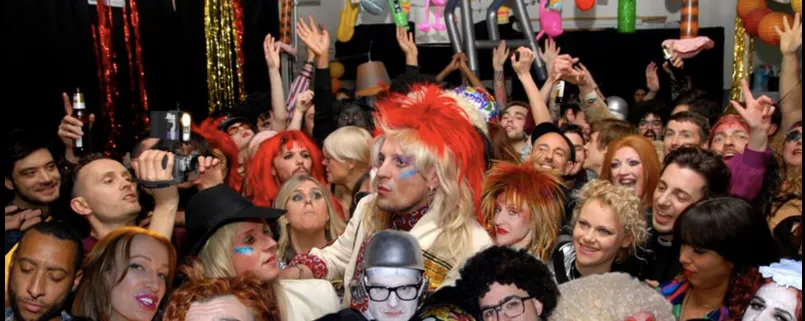
HannahHolland is a DJ and producer who owns her own labels, Batty Bass and NativeCity. This variety and freedom paved the way for her to fuse together her owndistinct sound. A hybrid of house, techno and bass forged in the basements andwarehouses of London's early 2000 electroclash scene then out into Europe,China, Singapore, Australia and North America.. Hannah’s first DJ residenciesall began at legendary nights such as Trailer Trash and at the East endvenu, Dalston Superstore and not forgetting her own highly successful nightBatty Base. (Named after her label). These were thesame nights I was having all types of fun in during my mid 20's and it wasn'tlong before we were introduced. Hannah manages to mix a cool DJ edginess with agenuinely warm and welcoming nature. She proves that it's possible to be asuper talented and taken seriously in the music industry, without having bustanyone's balls. Or bring down the competition. Hannah’s confidence in her crafthas helped her flourish in everything she turns her creative hand to. We wouldoccasionally end up at the same parties due to all our mutual friends and Ialways remember how friendly and approachable Hannah was for someone sosuccessful. Hannah now regularly appears at clubs such as Berghain, PanoramaBar, Fabric London, Dance Tunnel, and Bugged Out. I catch up with HannahHolland for LSA to talk about her DJ career and how she was able to lead in themale-dominated music industry.
Mark Butcher LSA Interview with DJ & Producer Hannah Holland
Q|Do you remember the first time you thought toyourself ‘I want to be a professional DJ’? What/who were your early passionsand influences?
Hannah:
"Well my first insight into clubbing was early on in my teenage years as I discovered drum 'n' bass, jungle, pirate radio stations with a group of friends in southLondon. This was very much part of the mix in the area where I was fromin South London. We used to go to Metal Heads, which was Goldie’s night, everySunday. That club night had a real profound affect on me! Such an amazingexperience. Then a bit later on in my late teens a couple of mates whowere a bit older and regular DJs would take me to gigs and let me have a go on theirdecks. Pretty soon after that I became obsessed, I knew music and DJing was gonna play a big part of my life. I left school at 16 and got ajob as a runner for a music video production company. I saved up and got some decks of my own, I practised and gained the confidence to start playing on thedecks at house parties whenever I could. When I think back I realise that everything I did involved music in someway! By early 2000 I started going to a night called Body Rockers whichwas David Lazarus night, early electroclash came on the scene, a whole newera of music was all around me, I began collecting records much more and I was DJinga lot".
Q|Describe the feelings you want to evoke in youraudience when you DJ? When was the last time you experienced an euphoric connection between you and your audience?
Hannah:
"I think the ultimate goal is just to kind of get People really lost inthe sound, forget about everything else and have a real highfrom just dancing, not really caring about anything else other than thesounds and for that moment, without even realising it anything weighing you down just vanishes".
Q|Which moments in your DJ career do you consider tobe the most significant and transformative?
Hannah:
"Probably the one that stands out the most was at Batty Base, (aclub night I ran, named after my label). We celebrated a night recentlyin an intimate warehouse party setting and invited just three hundred people.Everybody was really invested in the night and really passionate about themusic. However, the night where I began to DJ really professionally was at TrailerTrash. I had a DJ residency every Friday night and the first clubnight I was involved in that was slam packed every week without fail. There was adefinite sound to the club and everyone was really committed it its ongoing success. That was the club night where I really cut my teeth as a DJ".
Q|Who do you have a lot of respect for? What was themost significant thing they did or said that grabbed your attention?
Hannah:
"Within our industry, one of my favourite DJs, who is a friend of minealso is Steffi who has a residency at Panorama Bar. She has her own Label, shemake incredible productions. In my view she is one of the best DJs in theworld. She has a creative energy that’s explosive, impeccable taste and a wayof playing that’s completely her own".
Q|Are you able to share any of your secret DJ hacks,tips or cheats?
Hannah:
"Sadly I don't think there are any DJ hacks or cheats, not any that would be worth doing. The main thing when you’re starting and continuing is just to practiceall the time and to always be researching music, knowing what you’re playingand where it came from. If you like a particular genre, know its origins, discover the history. Go on a journey, go back to the 80's, the 70's goway back, go on a learning experience, discover amazing tracks. If you areserious about music, which you should be if you want to be a DJ. This issomething you should definitely delve into".
Q|What is one mistake you see a lot of up and comingDJs making? What advice would you give to an aspiring DJ in order to avoid those common pitfalls?
Hannah:
"I think people when they're starting out expect things to come straightaway. Most of the time it's just about being consistent and honing your craft.Making mixes, sending them out, getting ignored, You have to do the groundworkand often it wont come straight away. You can get a lot of rejection beforeanybody is like okay you're actually someone worth listening to! Before that happens, just continue to beoriginal, be yourself, collaborate, make videos, build your confidence, believe in yourselfand enjoy taking to time to do it all".
Q||If you had to be eternally be stuck in one musicera/scene, which would it be and why?
Hannah:
"New York's late 80's scene Paradise Garage, there's a big freedom in NewYork during this period, incredible mixture of art and music, happening,everything was new. There was new electronic house sounds, even DJing wasfairly new. There were artist like Larry Levan doing incredible things,causing incredible scenes on the dance floor and anyone I meet who was luckyenough to had been there tell me that it was a really transformative moment".
Q|The UK’s live music line-ups shows just how male-dominated the music industry is. Are you able to shed some light on the types of obstacles that are set before women to face but not men? Have you encountered sexism? What do you think needs to change?
Hannah:
"Basically for me and the way that I've kind of always approached it isthat I just get on with it and do what I love and work hard and do my thing butI mean there's definitely and issues with gender and in music industry withDJing. Pretty much the first obstacle that women have to face and men don’t isthat annoying assumption that when an unknown female is on the decks people, boys andgirls, automatically think. 'Oh female DJ, does she really know what she’sdoing'? As a female DJ you are exposed to that kind of doubt straight away, where as with a male DJ's its automatically assumed that they know what they aredoing. This can be a real confidence knocker for women and I've noticed when I do DJworkshops a lot of my female students often assume that because they are femalethey will find DJing harder and progress slower than the boys, which isobviously completely unfounded. It's such a male dominated industry and tosurvive you have to be confident because there are many other hurdles femaleDJs have to face. My advice to girls, just starting out is to always showconfidence and just do your thing, don't let anybody get to you, come across asthough nothing fazes you. Get any job which involves music, clubs the culture, learn from people who are doing it, be inquisitive, be helpful, learn how things are done.and start your own night. I was driving in Ibizalast week and every single billboard on the route out of the airport had maleDJs and when the odd one did show a female DJ she was wearing a bikini. Yeah, and nearly allthe male DJ's were fully clothed. You and I would probably agree that this sortof thing is very strange no? But in the DJ community it goes mostly unnoticed. Ifthe industry was more balanced with men and women its likely that thesebillboards would be showing very different imagery of a very different industry.We need to see more female role models in the industry if we expect things to improve in anyway. Its one of the reasons why I teach DJing and music production. Just like I was inspired in my early years, I hope I can inspire young people to go on and fight for equality in the not to distant future."

Q|Do you feel like the technological advances in musichave a significant effect on the creativity and quality? Do you remember a timewhen things were done differently?
Hannah:
"It was so different to how it was ten, twenty years ago with just turntables and analog gear. I learned on turntables and had to beatmatch byear. When I teach I always tell my students to learn how to beatmatch by earbecause its such an invaluable DJ skill andturning vinyl has a warm quality to the sound and the whole record buying culture is very special, so there is something special tobe gained by learning in a way that isn’t reliant on fancy technology. Having said that,I also think new technology is brilliant. There are so many things you can do with as CDJs, They don't just make mixing easier with looping and beatmatching they can give you room to be highly creative as well.
Q|What is one track that never gets old for you nomatter how many times you hear it? What would be your dessert island vinyl?
Hannah:
"It has to be Turn me on by Danny Tenaglia - I played it recently at Paradise Bar. It transported me to 1970's New York, to the Paradise Garage and DJ, Larry Levans launches the beginnings of early house music with his electronic take on disco".
Q|People are often speaking about the demise of the London club scene? Having grown up in London and having built a career in its many clubs over the last decade or so do you agree that there has been a significant change? What does this mean for DJ's?
Hannah:
"London has just become a lot more security lead and we have seen a significantnumber of clubs close down in London but at the same time there have been some new clubsopening, but that fact does not support the more sensational news story 'How can we save London's club scene'?. The truth is, as club after club closes, London continues! London is just evolving as it goes through another transitionalperiod."